 Skip to content
BLOG
“Trust Doesn't Mean You Stop Asking”: Ani Miller on La Mesa Caliente
On La Mesa Caliente, Ani Miller explains why handing all your finances to your partner can leave you vulnerable.
August 12, 2026 · Interviews · Leer en español
On Telemundo's La Mesa Caliente, Ani Miller talked about the risks of leaving all of a household's money in your partner's hands and how to stay informed without breaking trust.
What we talk about
- Why so many women give up full control of the money
- The difference between trusting and checking out
- What account information both partners should know
- The mortgage and loans if something happens to your partner
- Communication and financial education in marriage
The full conversation
On La Mesa Caliente, the Telemundo talk show, the hosts opened a debate that touches a great many households: women who hand over their paycheck, their savings and all of the money management to their partner, and who years later find themselves without an account in their name, without assets and, often, with debts they do not even know the source of. The question of the day was direct: is trusting your husband with all your finances negligence, financial codependency or simple carelessness? To answer it, they invited Ani Miller, introduced as a financial expert, to help explain where trust ends and risk begins.
A very common comfort zone
The first question was how common it still is today for a woman to tell her husband that the money and the wallet are his to handle. Ani did not hesitate:
Ladies, it's very common for women to fall into comfort zones and say: my husband is the one who makes the most money, the one who manages it, the one who's better at it, and I trust him blindly.
The hosts reacted with humor and with their own experiences. One of them recalled what a former mother-in-law used to tell her, comparing the years of devotion in her marriage to heating up a meal for 25 years only for someone else to eat it in the end. They agreed that this often happens, whether because a third person shows up or because one day you discover you are in debt everywhere for not having paid attention.
Trusting does not mean you stop asking
Then came the underlying question: why do so many women check out and stop asking about the money, even when that money belongs to both of them? Many simply bring home their paycheck, hand it to him and let him manage it.
For Ani, the problem is a confusion between two very different things:
Women get confused. Being negligent is one thing, and having questions so you stay informed is another. It doesn't mean you have to hand over your paycheck and have no right to ask questions.
As she explained, in a couple that shares its finances, both partners should be able to answer these questions:
- How much money comes in?
- How much money goes out?
- What are our expenses?
- Where do we stand?
- Do we have an investment plan?
- What will our assets be, and where are we headed?
One of the hosts pointed out that many people do not like being asked those questions, and that to her that is a red flag. She said that in her marriage the finances are clear: both of them know how much comes in and how much goes out, in his accounts and in hers.
If something happens to your partner tomorrow
The conversation took a serious turn when one of the hosts shared the case of an older couple she knew. He handled everything, and she had no access to the bank accounts. One day he died suddenly, and she was left with no control over absolutely anything. Ever since, that woman says you have to know everything: the logins to the accounts, how the mortgage gets paid, everything.
Ani agreed that it is not only about the fear of infidelity, but about something more basic:
In general, a woman needs to have the information. You're not dependent: you're in a partnership and you have the right to have the passwords to the accounts.
And she listed what everyone should know about their household's finances:
- How many bank accounts there are.
- Whether you are listed on those accounts.
- Whether there are loans, and what the username and password are to pay them.
- What happens to the mortgage if something happens to your partner tomorrow.
Her warning was blunt: if you do not know how the mortgage is paid and something happens, you could lose the house.
Shared decisions and communication
Another host added that, in any case, decisions should be made as a couple. She said that in her home they both handle the money; she manages a larger share and her husband hands her his paycheck, but if he asks her to account for it, she does. For her, clarity is what matters most.
Ani agreed and summed up the key in one word: communication. And she made clear that the rule works both ways:
If, for example, your partner hands you the paycheck and you don't want to show them the account, they have the right to ask you, and you have to let them know what's going on with the accounts.
A little set aside, just in case
To close, one of the hosts shared her grandmother's advice: always keep a little set aside, just in case. The segment ended with a recommendation everyone agreed on: get financially educated and seek professional guidance. Trusting your partner is fine; what is not fine is completely checking out of money that is also yours.
Video: Telemundo, the program La Mesa Caliente.
This article is an English translation of the original Spanish version. Quotes have been translated from Spanish. Leer en español.
BOOK A VISIT
Let’s talk about your money
Leave your details and we will call you to understand your situation. We speak English and Spanish.
KEEP READING
More from the blog

Ani Miller Services Turns 10: Univision KUKC’s Coverage
Univision KUKC was at the 10th anniversary celebration of Ani Miller Services with friends, family and clients.
Read →
“Focused Discipline”: Ani Miller Services Celebrates 10 Years
Ani Miller celebrated her company's 10 years and her 39th birthday in Miami, and shared the key to her journey.
Read →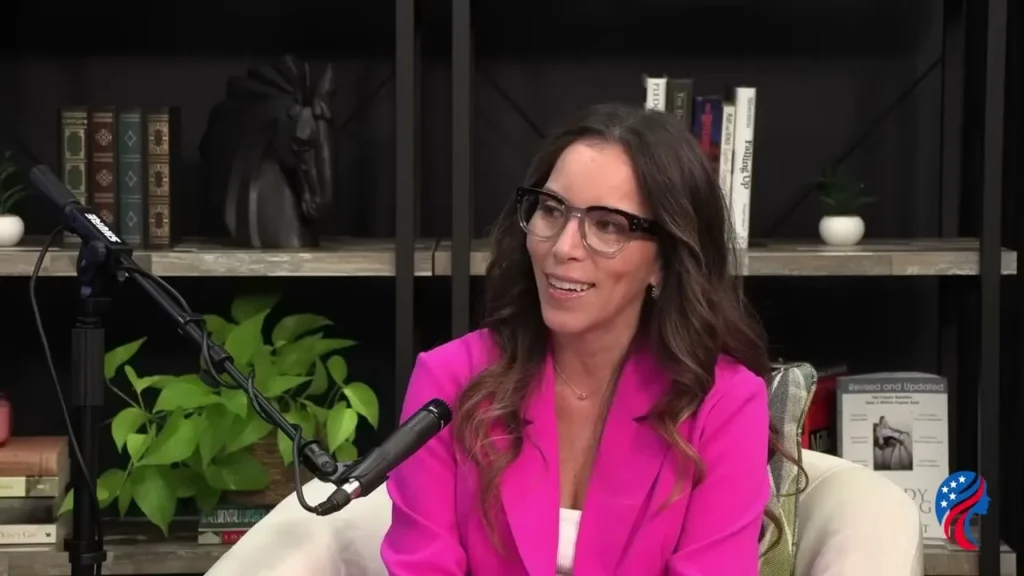
“From Every Setback, a Service”: Ani Miller on the Women's Chamber
Ani Miller shares how each challenge she faced as an immigrant became a service of her company, and what she has learned about leadership.
Read →YOUR NEXT STEP
Before you make an important decision about your money, talk to Ani.
A financial intelligence firm for individuals, families and business owners. In English and Spanish.
Notary Public. I AM NOT AN ATTORNEY LICENSED TO PRACTICE LAW IN THE STATE OF FLORIDA, AND I MAY NOT GIVE LEGAL ADVICE ABOUT IMMIGRATION OR ANY OTHER LEGAL MATTER OR ACCEPT FEES FOR LEGAL ADVICE.
© 2026 Ani Miller Services · Inversiones Los Palapunes Corp.
Ani Miller Services